How Did Carnival Start?

Updated: 5 days ago
A Fun Look at the History of Carnivals
Carnival has a long history dating back to medieval Europe, where communities celebrated with feasts, public gatherings, performances, and festivities before the Christian season of Lent. Although its exact origins remain debated, carnival traditions became closely associated with the period before Lent, when people gathered to enjoy food and celebrations before the fasting season began.
The word “carnival” is commonly associated with the Latin expression carnelevare, meaning to remove or put away meat, reflecting the tradition of abstaining from meat during Lent.

When Did Carnival First Begin?
There is no universally agreed date for the first carnival. However, historical records show that carnival-related traditions were already developing in medieval Europe by the 12th century. One early documented example comes from Rome, where records from around 1140 describe public festivities held before Lent.
By the following centuries, carnival celebrations had become increasingly established in European cities, particularly in Italy. These festivities gradually developed into larger public celebrations featuring elaborate costumes, masks, processions, performances and street entertainment.
The Origins of Carnival in Europe
Early carnivals became especially popular in Italy, where people celebrated with parades, masks, performances, and lively street activities. Over time, these celebrations spread across France, Spain, and other Catholic countries in Europe.
As European explorers and settlers travelled to the Americas, the Caribbean and other regions, carnival traditions spread beyond Europe. These celebrations gradually incorporated local cultures, music, costumes and customs, resulting in different carnival traditions around the world. Today, each region has developed its own distinctive way of celebrating carnival.
How Carnival Evolved Into Modern-Day Events
While traditional carnivals were deeply religious, modern carnivals have evolved into community-driven events focused on fun, entertainment, and togetherness. Today, carnivals are no longer tied to religion alone. Instead, they are enjoyed by people of all ages as social gatherings filled with games, rides, food, and laughter.
Modern carnival events have also expanded beyond traditional street celebrations. Schools, companies and communities now organise carnival-style events featuring interactive games, amusement rides, food stalls and family activities. These gatherings retain the social spirit of traditional carnivals while adapting to contemporary entertainment preferences.
Carnival Events in Singapore Today
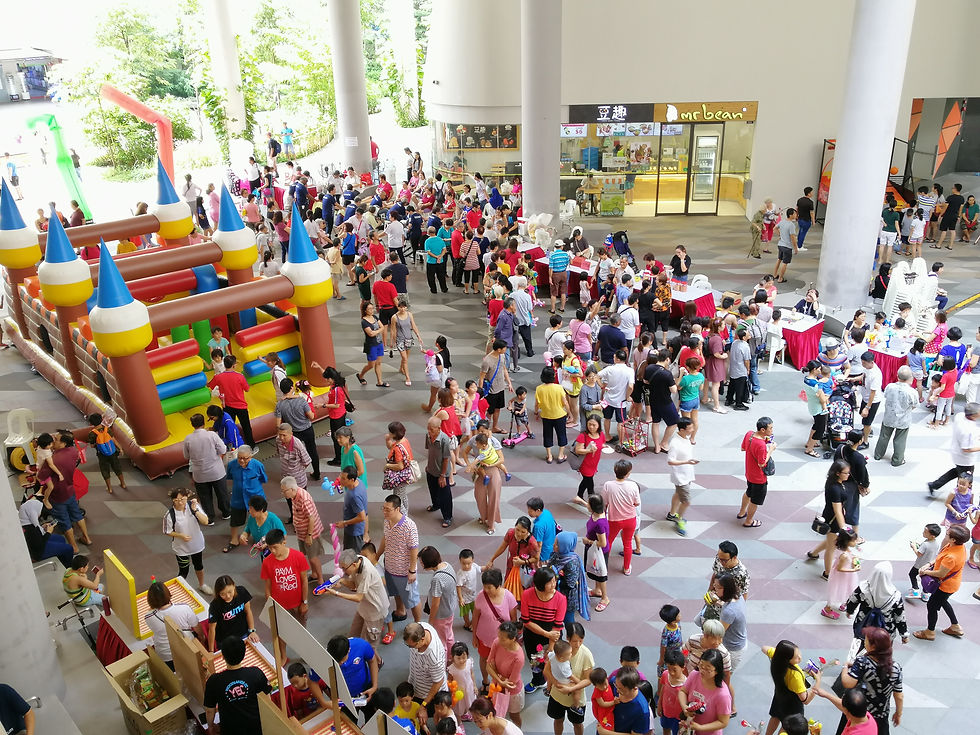
In Singapore, carnival-style events have become a popular format for school celebrations, corporate family days, community gatherings and private functions. Modern events often combine interactive game booths, Carnival rides, food stations, Bouncy castles and entertainment to create activities for guests of different ages.

Why Carnival Events Are Still Relevant Today
Carnivals remain popular because they bring people together in a joyful, relaxed environment. Whether it’s children playing games, adults enjoying food stalls, or families spending quality time together, carnival events create lasting memories.
That’s why many event organisers in Singapore continue to choose carnival themes — they are timeless, flexible, and loved by all generations.

Plan Your Own Carnival Event in Singapore
From traditional carnival games to modern rides and food stations, carnival-style entertainment can be adapted for different occasions. For organisers planning a carnival in Singapore, FunFairsg offers carnival games, rides and event activities for corporate functions, school celebrations and private events.
📞 Contact: 8218 0205
📧 Email: sales@funfair.sg
🌐 Website: https://www.funfair.sg
We look forward to bringing the joy of carnival to your next event 🎪✨